Sunday, April 25, 2010

Silloth-on-Solway


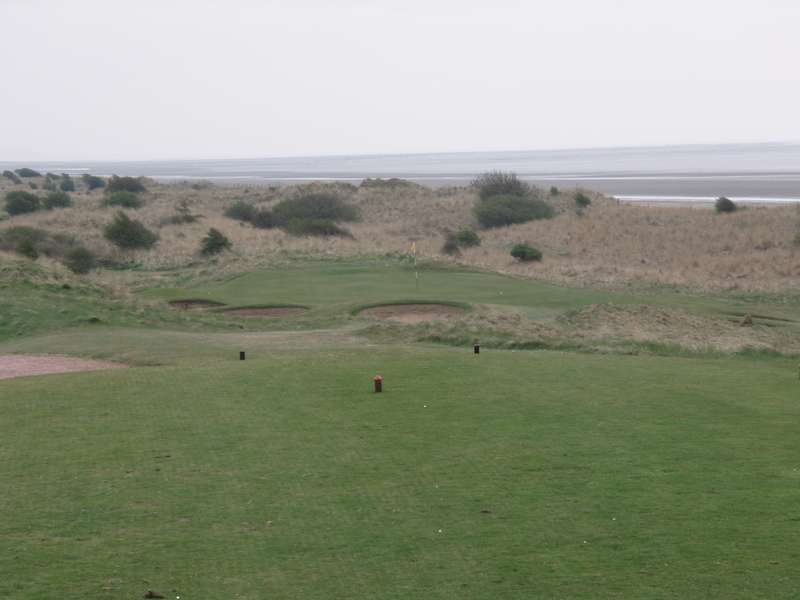
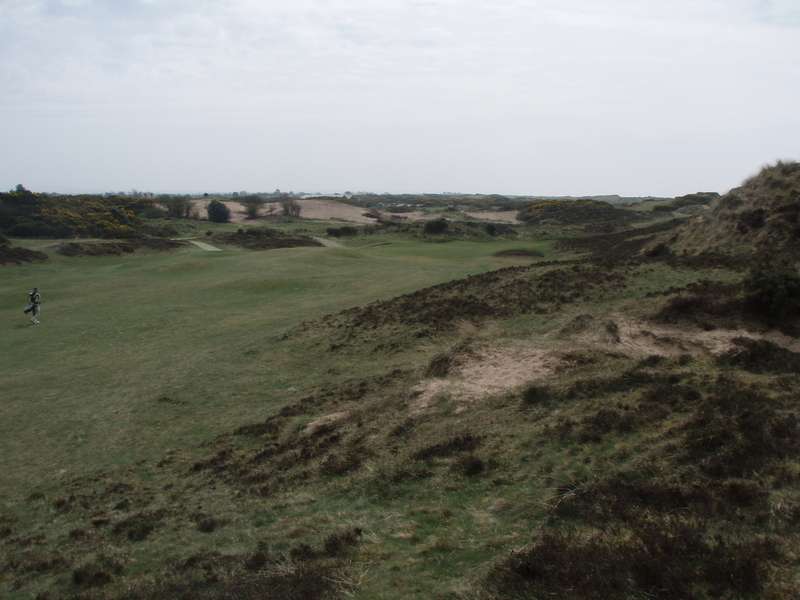
The 315-yard dogleg right 2nd can be driven by challenging the heather-covered dune from atop which this picture was taken, with a much easier approach for those who flirt with danger. The dune short of the left hand side of the green makes matters difficult for those who drive safely to the outside of the dogleg.
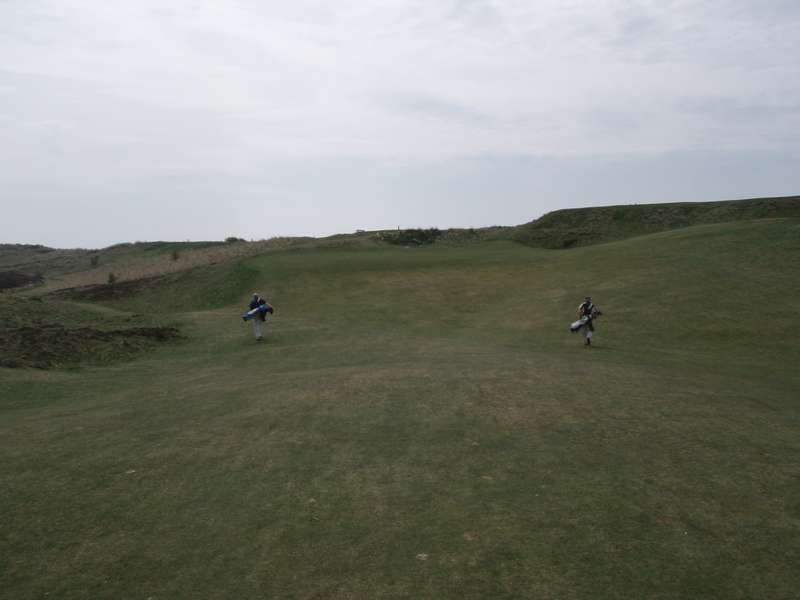
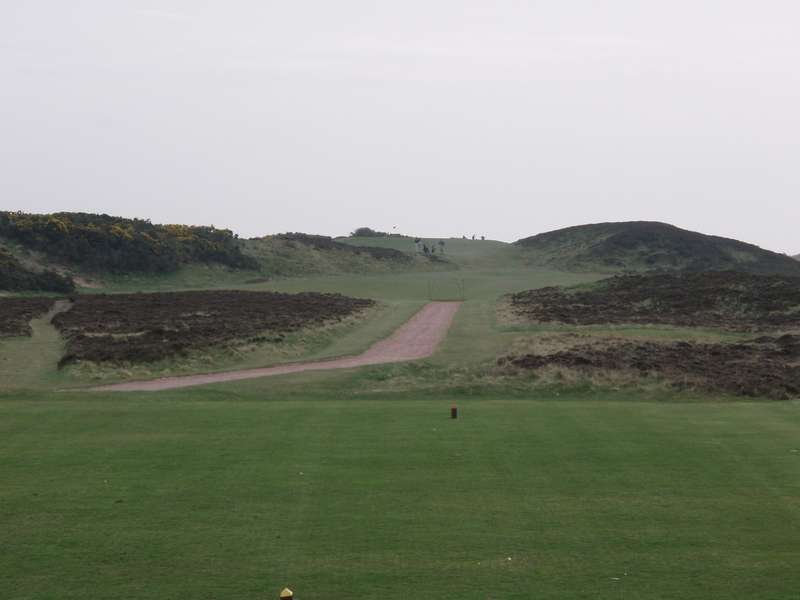
The approach to the 3rd gives some idea of the scale of the undulation

The 7th is one of two blind par four greens, set in a slight punchbowl

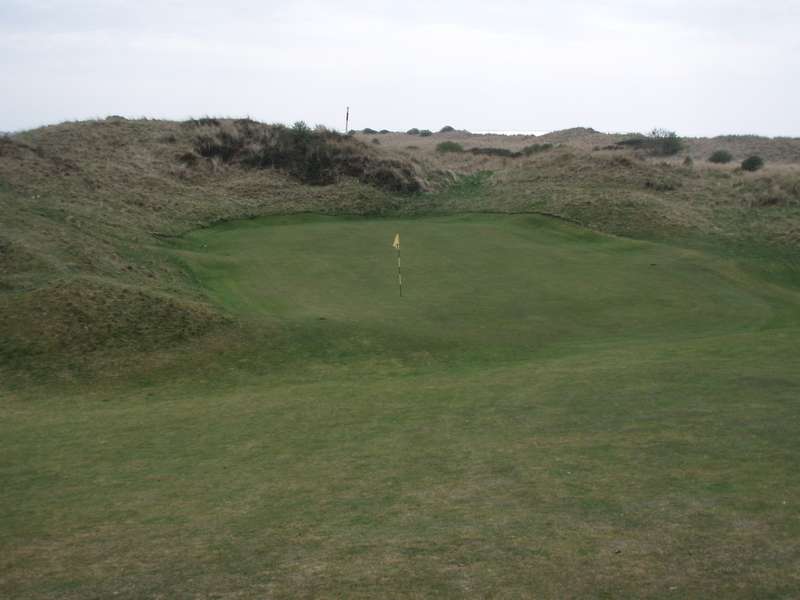
The Postage Stamp 9th - a tough assignment even with a short iron or wedge in hand

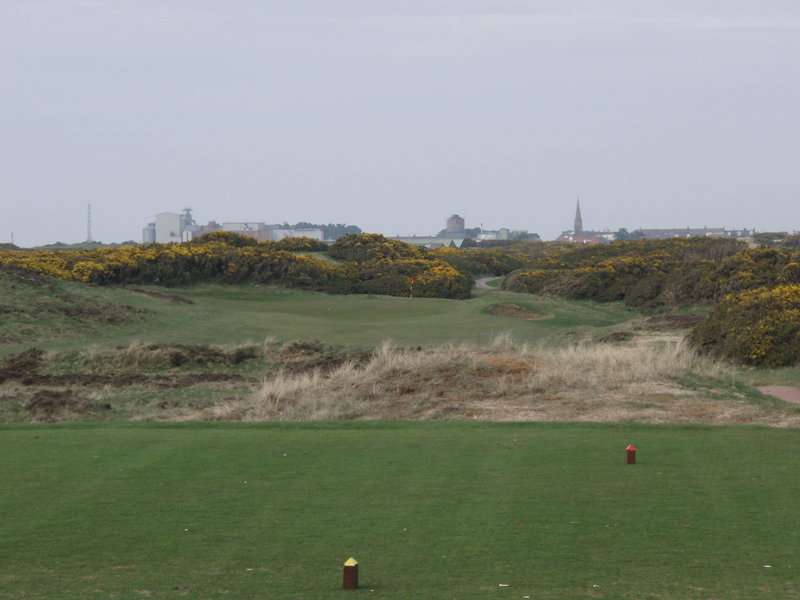
The 202-yard 12th, surrounded by flowering gorse bushes and blessed with some great subtle undulation and a tough green

After a comparitively wide drive, the second and third shots to the 13th feel like you're walking a tightrope

Course name: Silloth-on-Solway
Location: Silloth, Cumbria, England
Four Word Course Review: An 18-hole high note

Anyone who spends a decent amount of time playing golf around the British Isles will soon realise the depth of fun courses is amazing, but regardless there are still some massive surprises to be had.

It may seem odd to say this given Golf World ranks it 48th in Great Britain & Ireland, but I think Silloth-on-Solway might be the most underappreciated course I am aware of in this corner of the world.

Despite that quite healthy ranking it gets next to no talk, likely because there isn't a world famous course or two nearby to draw travelling golfers to the area, as is the case in Fife, East Lothian, Southport, London, Western/Northern Ireland and Kent.

Silloth is in far north-west England, far from civilisation and a significant detour off the motorway.

I'd be surprised if there are 25 golf courses better than Silloth in GB&I. There certainly aren't 25 that offer better value.

The European Club is 30-odd places ahead of it in Golf World's poll and would get two, perhaps three rounds of a 10-Round Split between the two courses in my book. West Sussex sits about 20 spots higher and despite being a thrilling course is not, for the merits of the golf, deserving of being in front of Silloth. Royal Cinque Ports is ranked nine places higher and despite having holes that exceed anything at Silloth is also home to some moments of weakness that Silloth doesn't suffer. In my mind the two courses are neck-and-neck.

Not surprisingly, each of those three courses is on a much more regularly trodden tourist trail than the B5301 into Silloth. The first two are also much more picturesque.

Silloth is blessed with wonderfully undulating links terrain, where even the "flat" holes have serious movement. The greensites are brilliant for their variety: Dell greens hiding out of view, skyline and plateau greens demanding a precise approach, steady slopes and dune-top domes.

The combination of rollicking fairways and thrilling greens cannot be beat (and neither can the price: £45 all day midweek, £55 on weekends and members pay just £350 a year - such are the benefits of isolation!). Perhaps most crucially, the course offers width, which when combined with interesting fairways and fun  greens makes for three things every links should have.

The par fives are a particular high point: from the brilliant bunkering of the 5th to the tightrope walk that is the 13th, the risk of a blind tilt at hitting the 14th in two shots and the approach to the 17th.

But in saying that, how can you not mention the varied one-shotters: a drop shot to a green hiding past the saddle between two dunes with natural slopes to help you work the ball close, a Postage Stamp surrounded by doom, a stadium of gorse encircling 200-yards of subtle undulation and finally a mid-iron to a green protected by a steep false front that feeds the flanking bunkers.

Then there are the par four holes measuring from 308 yards to 433 yards that can't be overlooked: the Dell green mid-length 1st and 7th, the dramatic 4th with steep side slopes at the grade-level green, reachable 2nd with great natural defences and dogleg right 11th inviting you to flirt with the OOB fence arguably the best of them.

That's the difficulty of singling out a handful of Silloth's holes for praise: it's probably the most consistent golf course I've played, dishing up 18 holes with a variety of options on every shot, and a wonderful flow from hole to hole.

Make the effort to see Silloth and I'll guarantee you aren't disappointed. Most golfers won't bother, and they'll be doing themselves a major disservice.

Thursday, April 22, 2010

Mill Hill


The 5th green is the start of the really good golf, the putting surface hidden from view as you approach over a diagonal valley that grabs anything short and funnels it away to the left

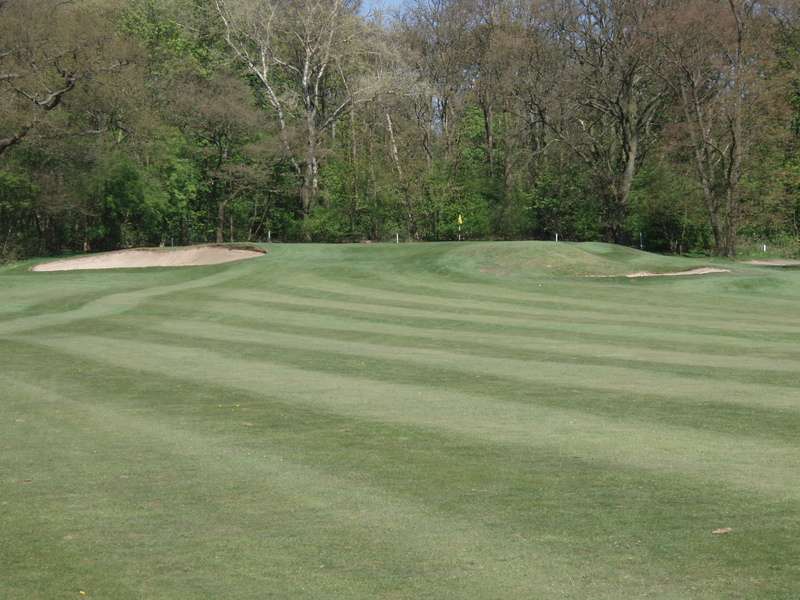
Hugging the creek and flying the bunker pays dividends at the 7th, which is much easier to approach from the right, with anything driven safely left having to contend with the large left-hand greenside trap. The bunker visible short-right of the green is a good 30 yards short of the putting surface

Perhaps the best shot on the course is the second to the 13th, with the bold pulpit green rejecting anything short and sending it either into a bunker or back 20 yards or more down the steep fairway

Course name: Mill Hill
Location: Mill Hill, London
Four Word Course Review: Bloodline evident despite shortcomings

Changing our shoes and discussing how lucky we were to score a sunny 19C day in mid-April, a Mill Hill Golf Club member sauntered up in the locker room to ask if we were visitors.

The Australian and American accents may have given it away. We said we were. First time.

"You're going to love it out there," he said. "Great course. You know what I love most about it? Every hole is separated from the others by lots of trees, so you can't see anyone playing another hole because of the trees. There are so many trees it's... perfection."

Mill Hill - one of six John Abercromby designs in southern England (The Addington, Worplesdon, Knole Park, Coombe Hill, Mill Hill and Bovey Castle) - has the potential to be a better course than it is, but to achieve that you'd have to break that bloke's heart and rip out a few of his beloved trees.

The 3rd could be a tempting hole of 280 yards were it not for the thick grove that blocks your view of the green - set tantalisingly behind a diagonal creek - from the tee, though I accept that with the M1 Motorway over the OOB fence it does its job in deterring you from having a crack, pulling it left and hitting a car.

Elsewhere there is an occasional over-treed tightness that dimishes play, but never as seriously as it does on the 3rd.

The terrain is extreme, just as at The Addington, and here Aber has not been shy about routing holes straight over the hills and valleys, though without the bridges that save you on a few holes at The Addington, this is a far more taxing walk.

Many holes play from a high tee over low ground to a high green (something you see on the likes of 9, 10, 12, 13 and 15 at The Addington). Also in common with Aber's most famous course is just how much you want to avoid overshooting greens at all costs. There are very few examples on either course where missing long is anything but the worst option.

Obvious driving hazards like bunkers and ravines are rare at Mill Hill, but in many instances the better line is protected by uneven land, some man-made humps and hollows or a flanking creek/OOB. The bogey or worse golfer will appreciate what seems a let-off for a misplaced drive, but the better golfer will still aim for the tougher side knowing the benefit of the preferred angle.

Similarly subtle at first glance, there are many greens set just over upslopes that will stop a ball landing fractionally short, while allowing a deliberate running approach to scurry through. But where the property's natural streams cross fairways (2, 3, 9, 10, 17) the green is set well back, allowing a slight miss to be recovered from.

Stealing the show are the:

5th; a par five bending right uphill on land sloping to the left with a deceptive plateau green fronted by a diagonal gully,
7th; a downhill two-shotter bending right around a narrow creek to a grade level green sloping away,
8th; a mid-iron par three to a green leaning left that offers a front tongue for a running approach if you fancy flirting with the LHS bunker,
13th; uphill par four to a pulpit green with a wicked front slope that will repel anything underclubbed, and
14th; a 300-yard journey to a challenging green that is acessible thanks to land that feeds from the left.

The DNA of a great designer like Abercromby is definitely present, largely in the above holes. Ultimately, Mill Hill raises its head above your typical suburban course while not reaching enough high notes to demand that a visitor to London include it on his itinerary.

I can see why the member who warmly welcomed us loves the place so much. The course is genuinely fun to play. It is also sneaky tough, with lots of greens playing much harder than they look, and the clubhouse is first-rate - full of history and class.